
Finding Rhythm
Learning to Live by the Clock—and Beyond It
In the United States, most of us are shaped by the rhythm of the clock. For generfiations, the 40-hour workweek has helped define our days. We start at a set time, fiwe finish at a set time, and much of life is organized around schedules, calendars, and expectations. It’s so familiar that we rarely stop to think about it. The predictability brings a kind of stability—people know when something will happen, and they can plan their lives around it.
In rural Ghana, life follows a different rhythm. Time is not always measured in hours and minutes, but by the needs of the day. Work begins when people arrive. flTasks are completed as circumstances allow. There is a flexibility to it, a pace that values relationships and responsiveness over rigid structure. There is something deeply human and meaningful in that approach—a reminder that people are not meant to be ruled entirely by the clock.
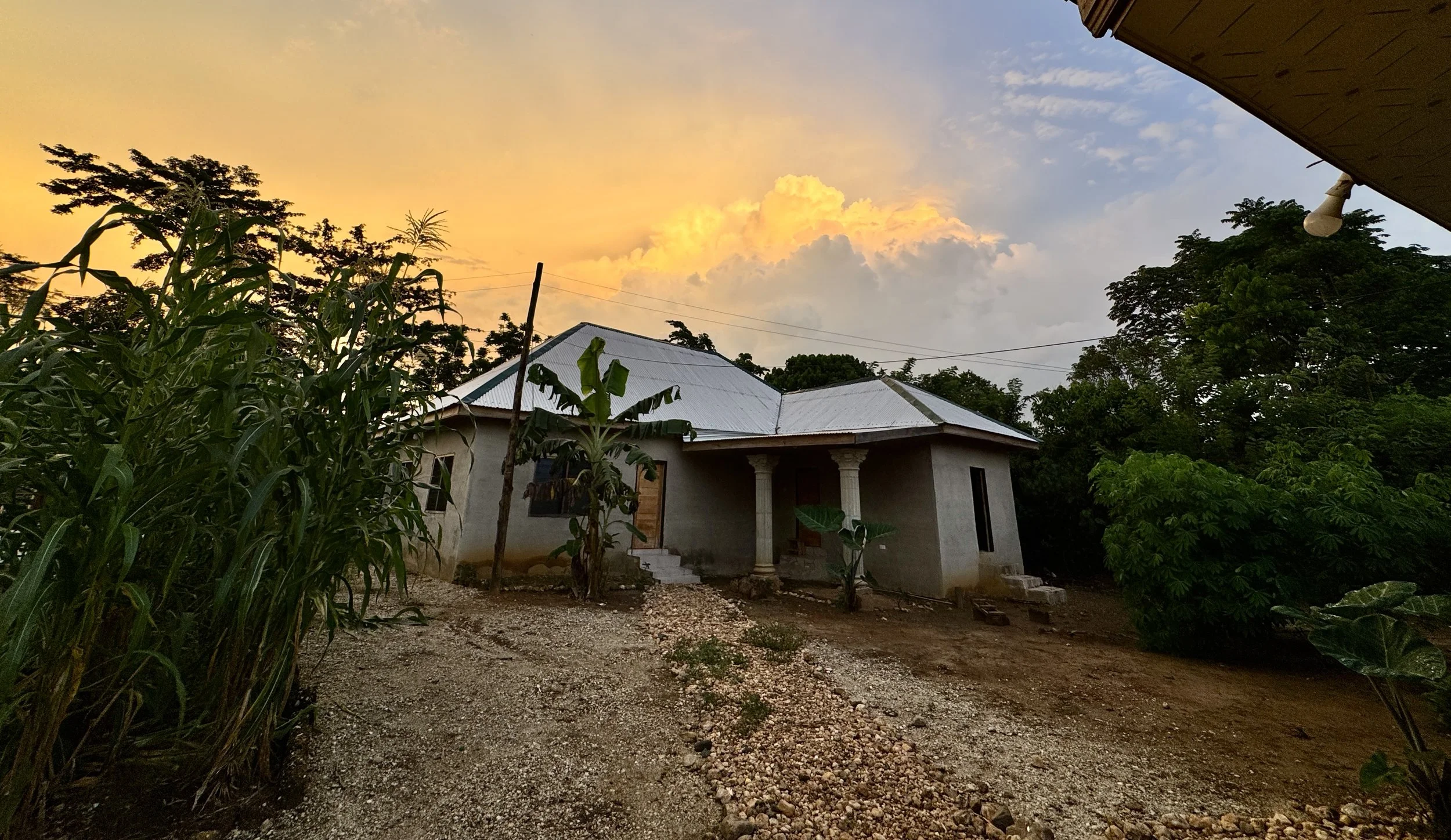
The back of our store
At the same time, this rhythm can bring challenges. Without consistent routines, it becomes difficult to build systems that others can depend on. A store that opens “sometime in the morning” may miss the customer who came early and needed something before heading to work. Responsibilities that are understood but not clearly timed can lead to gaps, even when people are doing their best. Over time, that unpredictability can quietly limit opportunity.
This is something we have been working through carefully in our weekly leadership meetings with Edward. Together, we are asking what it looks like to introduce simple, consistent rhythms without losing the relational strengths that already exist. Our goal is not to replace one ficulture with another, but to find a balance—one flthat brings reliability without removing flexibility, and structure without losing care.
We are beginning to see what that balance might look like. It shows up in a store that opens and closes at the same time each day, in responsibilities that are clearly owned and followed through, and in weekly planning that helps bring clarity to the days ahead. These may seem like small shifts, but they are foundational. When people know what to expect, trust begins to grow. And when trust grows, so does the potential for something lasting to take root.
This work is not about imposing a system from the outside. It is about shaping fia rhythm that fits the context—a rhythm where consistency and relationship can exist side by side. That kind of balance takes time, patience, and a willingness to learn from one another. But it is in that space that meaningful progress is made.
